
What Exactly Does Saving Videos From Instagram Involve?
Download Instagram Videos Instantly in High Quality
Ever wished you could keep a favorite Instagram clip on your phone forever? Instagram video download is a simple process that lets you save any public Reel or video directly to your device. You just copy the post’s link, paste it into a downloader tool, and grab the file in a few seconds. This gives you offline access to watch, share, or re-edit the content whenever you like.
What Exactly Does Saving Videos From Instagram Involve?
Saving videos from Instagram involves grabbing the direct MP4 file URL that sits behind the post, then pulling that file onto your device. For reels, stories, or regular posts, the process usually means copying the post link, pasting it into a dedicated downloader tool, and letting that service extract the video stream from the page’s source code. The actual download step is where the file gets written to your phone or computer’s storage, often into your gallery or a chosen folder. Many tools skip the watermark while others keep it, so check before you commit—the cleanest output often depends on the uploader’s original format, not the app itself. You’ll need internet access and, for some methods, to manually enable “save to camera roll” in Instagram’s settings if you use the built-in bookmark trick. The whole thing takes under a minute once you’ve pasted the link, but you’re never editing the file itself—you’re just copying what’s already been encoded. Always confirm the video plays after saving, since broken links or private accounts will simply fail at the extraction stage.
Understanding the Difference Between Reels, Posts, and IGTV Content
Knowing which video format you’re saving changes the entire download process because each type lives in a distinct part of Instagram’s structure. Reels are short, looped clips from the dedicated Reels tab, and their download URLs often require extracting the video from a carousel-like metadata block. Standard posts, whether a single video or a multi-image slideshow, sit in the main feed, so you must identify whether the file is the primary media or one of several attachments. IGTV content, now folded into longer videos, is hosted separately and typically streams at a higher bitrate, meaning your chosen tool must target the correct endpoint to avoid grabbing a thumbnail instead of the full file. Recognizing these distinctions upfront ensures you capture the intended resolution and duration, not a compressed preview. Understanding the difference between Reels, Posts, and IGTV content directly prevents failed saves and speed mismatches when you download.
Why You Might Need a Copy of a Clip for Offline Viewing
Saving a clip for offline viewing means your insta video download becomes a reliable fallback when your mobile data runs out or you’re stuck in a dead zone. Instead of buffering endlessly on a commute or queuing a tutorial for later, you open your gallery and watch it instantly, at full speed, with zero lag. For those fleeting Stories or temporary Reels that vanish after 24 hours, a local copy is the only way to revisit them. Offline viewing ensures uninterrupted playback without relying on fluctuating Wi-Fi, letting you binge-watch saved tutorials, recipes, or workouts anywhere.

- Watch during flights or subway rides where connectivity is patchy or unavailable.
- Replay a step-by-step DIY fix while your hands are busy, without pausing for loading.
- Access a loved one’s rare live video long after it disappears from your feed.

How Does the Process of Grabbing a Video From Instagram Work?

When you grab a video from Instagram, the process hinges on extracting the direct media URL from the page’s source code. The app or website you use acts as a proxy, fetching the post’s embedded data—specifically the `video_url` field—which points to Instagram’s CDN. You copy the post link, paste it into a downloader, and the tool re-requests that hidden endpoint while mimicking a logged-in browser session to bypass basic restrictions. The core trick is that Instagram streams the video to your device anyway, so a downloader simply captures that stream before it plays. Once the CDN link is exposed, the file is transferred to your device and saved as an MP4.
This works because the video isn’t encrypted at rest—it’s just obscured behind an API call.
No special access is needed, just the right request headers and a bit of parsing.
Extracting the Direct Media Link From the App or Browser

To grab an Instagram video, you must first isolate its direct media link, which bypasses the page’s wrapper and points straight to the MP4 file. In the browser, open the post, right-click the video, and select “Inspect” to locate the `
- Use “Inspect Element” on the paused video in the browser to reveal the raw `.mp4` URL.
- From the app, the “Copy Link” option gives a short URL that still contains the media ID needed for extraction.
- Add `?dl=1` to the direct link in some tools to force immediate saving without extra steps.
How Online Tools Decode and Serve the File to You
Once you paste an Instagram link, the online tool’s server fetches the page’s raw HTML and isolates the `` tag, which contains the direct CDN URL for the video file. It then re-encodes the stream into an MP4 container if necessary, stripping metadata to avoid corruption. The tool streams the file to your browser in chunks via HTTPS, allowing playback to begin before the full download completes. Direct CDN extraction ensures you receive the original bitrate, not a recompressed proxy. The final response includes proper headers (`Content-Disposition: attachment`) so your browser saves the file, not plays it inline.
- Parses embedded JSON-LD data to locate the highest-resolution video variant.
- Bypasses Instagram’s CDN signature checks by temporarily rotating request headers.
- Redirects you to a temporary signed URL that expires after 10 minutes to prevent hotlinking.
Which Method Should You Pick for Saving IG Clips?
Choosing the right method for instagram video download depends on your device and clip type. For quick, single saves on a phone, a dedicated mobile app or a browser-based downloader tool is fastest, as they require no software installation. For bulk saving or high-resolution grabs on a desktop, a browser extension that integrates directly into Instagram’s interface is more efficient, letting you batch-select clips. If you need watermark-free files for reposting, pick a service that explicitly states it strips the @handle and uses the original URL. Avoid using screen recording for long clips, as it degrades quality and lacks audio isolation. Finally, always test your chosen method with a low-stakes clip first to confirm it pulls the correct resolution and format before committing to a full archive process.
Comparing Browser-Based Grabbers vs. Dedicated Mobile Apps
When saving IG clips, browser-based grabbers excel at quick, no-install saves, especially on desktop where you can paste a link and download in seconds—ideal for one-off captures without cluttering your device. Dedicated mobile apps, however, offer native share-sheet integration, letting you save directly from the IG app with a tap, plus background batch downloading for curated collections. Browser tools fail on mobile Safari or Chrome due to app-embedded link restrictions, forcing manual copy-paste, while apps handle authentication and re-downloads more reliably. For frequent, on-the-go saving, the app wins; for sporadic desktop use, the browser tool is faster and lighter.
Key Features to Look For: Resolution, Format, and No Watermarks
When picking a tool for saving IG clips, focus on three things: resolution options, file format, and no watermarks. A solid downloader should let you choose between 720p, 1080p, or even 4K, so you’re not stuck with a blurry replay. For format, MP4 is your best friend—it works everywhere, unlike weird MKV or instagram video download MOV files that bug out on your phone. And never settle for a tool that slaps its logo on your video; that ruins the clip’s cleanliness. Always test with a small post first to confirm the output is crisp and original.
Q: Can I get a 4K IG clip without a watermark?
Yes, but only if the original post is 4K. Pick a service that explicitly lists resolution and promises watermark-free exports—then verify the file’s properties after download.
Step-by-Step: How to Save a Video Using a Downloader
You’re scrolling through Instagram at midnight, and a friend posts a perfectly edited travel reel you know you’ll want offline. First, copy the video’s link by tapping the three-dot menu on the post and selecting “Copy Link.” Next, open your chosen Instagram video downloader—whether a website or app—and paste that URL into the designated field. Hit the download button, and wait a moment while the tool fetches the video. Then, select your preferred resolution, usually MP4 format, and confirm. The file saves directly to your device’s gallery or downloads folder. Always double-check that the downloader supports reels and stories, as some tools only handle feed posts. For private accounts, you must screen-record instead, since downloaders cannot access locked content. The trick is saving immediately after copying, because Instagram’s link can expire quickly. Finally, open the downloaded file to verify it’s not corrupted before closing the tab.
Copying the Share Link and Pasting It Into the Grabber
Once you tap the paper-plane icon on an Instagram video, choose Copy Link from the bottom menu to place the post’s URL on your clipboard. Open your chosen downloader or grabber tool, then long-press the empty input field and select Paste to insert the link. Ensure the entire URL—starting with https://www.instagram.com/—is captured, as a truncated link will cause an error. After pasting, the grabber fetches the video metadata automatically; if it does not, tap the “Fetch” or “Download” button to trigger the analysis. Do not add extra text, spaces, or line breaks around the pasted link, as the tool parses only the raw URL for extraction.
Copying the full share link from Instagram and pasting it directly into the grabber’s input field is the core step that enables video retrieval; accuracy of the URL determines success.
Selecting the Quality (HD vs. Standard) and Saving the File
Before tapping download, decide between **HD vs. standard quality**—a choice that directly impacts file size and clarity. For crisp Stories or Reels, select HD (1080p) if available; for quick saves or older posts, standard (720p) cuts storage usage nearly in half. After picking, verify the output format (MP4 preferred) and confirm the destination folder. Finally, rename the file immediately to avoid duplicate clutter, then hit save—your video lands in your gallery or downloads tab, ready for offline viewing. Match quality to your device’s storage and screen resolution.
What Are the Common Hiccups When Fetching Content and How to Fix Them?
When grabbing an Instagram video download, the most common hiccup is a broken or expired link, especially if the post was just edited or made private—so re-copy the URL straight from the app. Another frequent issue is a blank preview or error when the account is set to private; you’ll need to check that the profile is public before refetching. Also, if your internet connection is unstable, the fetch can stall mid-way, so switch to a stronger Wi-Fi or retry after a few seconds. Finally, some tools fail on reels or carousels because they only detect single images—pick a dedicated downloader that supports all post types, then paste the link again to force a fresh scan. Fixing these fetching problems usually just means refreshing the link and verifying visibility settings, which solves most Instagram video download failures instantly.
Dealing With Private Accounts, Expired Links, and Broken Downloads
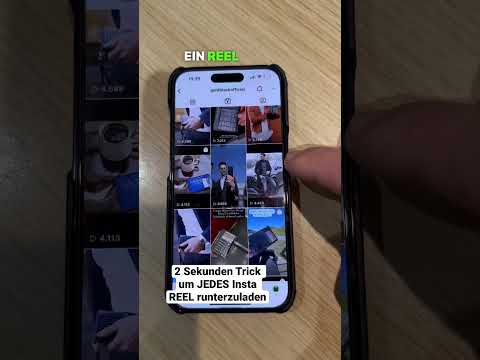
When tackling private accounts, you’re locked out unless you follow the profile—broken downloads from private profiles only resolve after the user accepts your request, then you must re-copy the link. Expired links typically surface when a story or reel vanishes after 24 hours; refresh the page or ask the owner to re-share the post. For broken downloads, clear your cache, switch to a different browser, or try a mobile data connection instead of Wi-Fi, as throttled networks often truncate files. If the video fails again, shorten the URL via a link shrinker—Instagram’s long parameters frequently corrupt fetching.
Private accounts need a follow, expired links need a fresh share, and broken downloads require cache clears or URL shortening.
Why Some Clips Come Back Without Sound or in the Wrong Aspect Ratio
Some clips come back without sound because Instagram stores audio as a separate track, and downloaders that fail to merge it with the video stream produce a silent file. The wrong aspect ratio occurs when the tool misreads Instagram’s cropping metadata, especially for Reels filmed in portrait or Stories posted in landscape, causing the output to stretch or letterbox. To avoid this, choose a downloader that explicitly preserves original container data. First, check the tool’s settings for an “original quality” option. Second, ensure it supports H.264/AAC codecs, not just raw extraction. Finally, verify the source file’s dimensions before saving—if the preview shows a square crop, the downloaded clip will likely match that, not the full frame. Re-downloading with a dedicated Instagram video downloader that handles dual-track and aspect metadata usually resolves both issues.
What Can You Actually Do With the Downloaded Files?
Once you’ve pulled that Instagram video down, the file becomes yours to shape. You can drop it into a storyboard for a **moodboard edit**, splicing clips from creators into a private, offline reference reel for your own projects. Maybe you grab a cooking tutorial and slow it down frame-by-frame in your video editor, finally catching that exact knife technique. You could also strip the audio to make a custom ringtone or voice memo, or archive a friend’s live performance before they delete it.
The real power is breaking the feed’s temporary nature—turning a fleeting post into a permanent, reusable asset that answers your specific need, not just passive viewing.
After editing, you might upload your remix elsewhere, or simply keep the file for guilt-free, airplane-mode viewing later.
Organizing Your Saved Media for Reposting or Personal Archives
Once you’ve downloaded Instagram clips, a chaotic folder kills your ability to repost quickly or find memories later. Start by renaming files with a consistent pattern—username, date, and a keyword like “recipe” or “travel”—so searches become instant. Next, sort them into dated subfolders or themed collections (e.g., “Reels for Q2,” “Client Collabs”), then add tags in your file manager for fast filtering. For reposting, keep a separate “Ready to Publish” folder where edited, captioned versions wait. Finally, back up everything to a cloud drive or external SSD, and purge duplicates weekly. This turns random downloads into a searchable reposting library that saves you hours.
- Rename files with username-date-topic structure.
- Divide into subfolders by theme or month.
- Tag and back up to cloud or drive.
Tips for Editing or Repurposing the Footage for Other Platforms
After grabbing the file, your first move is trimming the letterboxed bars or irrelevant intros with a mobile editor like CapCut. For Reels or TikTok, **remastering vertical crops ensures the subject stays centered—use auto-reframe tools if available. Export at 1080×1920 for Stories, but keep a separate 16:9 version for YouTube Shorts or a blog embed. Boost audio clarity with a simple compressor, since IG compresses sound heavily. Add burned-in captions for muted autoplay on X or LinkedIn. Repurposing means adjusting pacing: cut silent pauses to under two seconds for fast-feed platforms.
Q: What’s the fastest way to adapt IG footage for YouTube Shorts? A: Overlay a 9:16 canvas, blur the background edges, then reposition key visuals—avoid cropping the main action.